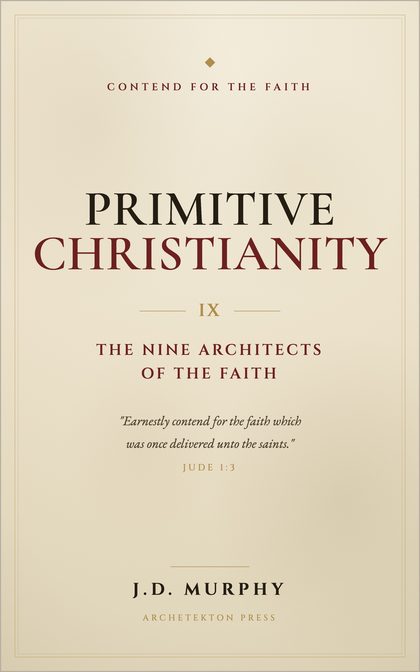
The Nine Architects of the Faith
By J.D. Murphy
Nine men wrote the New Testament. This book lays out the faith they built, all nine of its load-bearing doctrines, in their own words, and follows each one forward into the earliest church, before anything was added to it.
Out now · Paperback and Kindle · Free on Kindle Unlimited
No commentary. The commentary is the Bible itself.
There is no running commentary in this library. Not the editor's, not a scholar's, not a denomination's. The only commentary is the kind the first Christians had: the apostles and the prophets, and the disciples of those apostles, speaking in their own words.
The references are written out in full in the margin, beside the verse they belong to, so the page reads straight through and studies easily. Read the verse. Read what stands beside it. Draw your own conclusions.
The law, the prophets and the writings the apostles preached from.
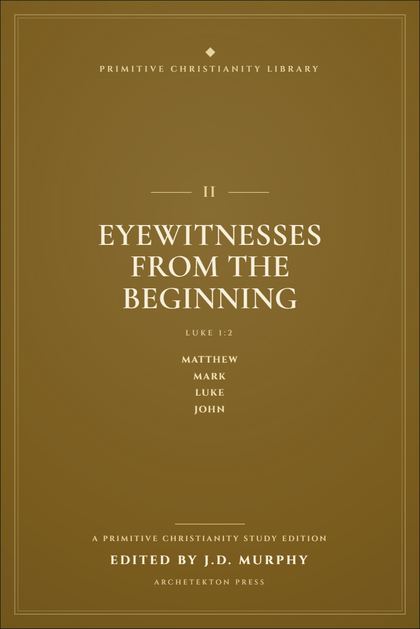
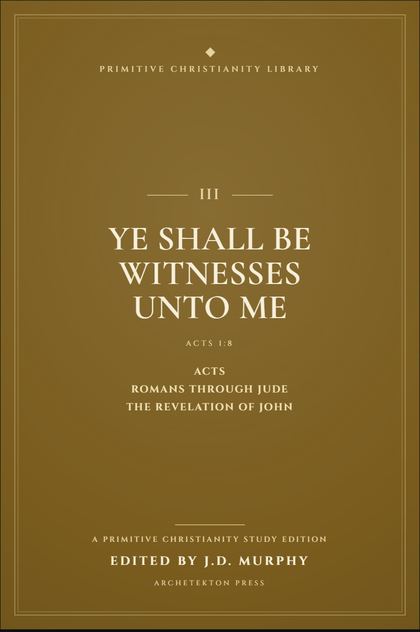
What the apostles and their companions wrote down.
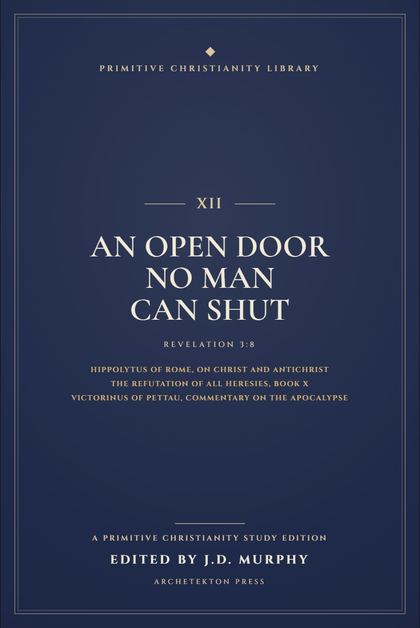
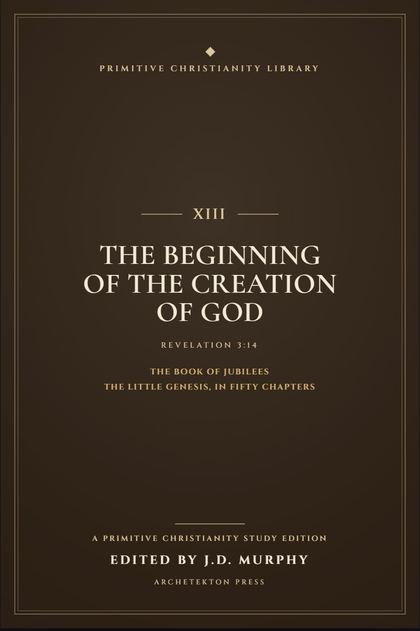
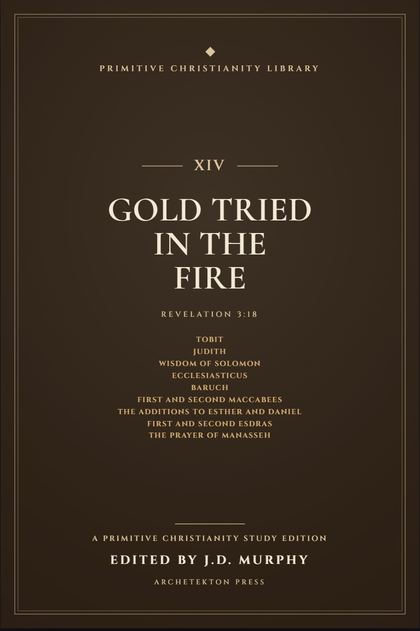
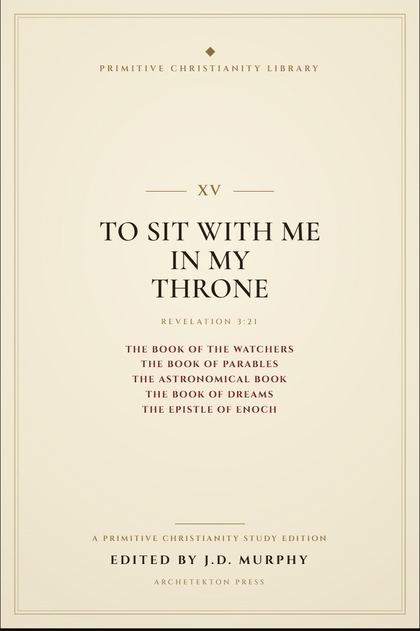
Enoch, Jubilees, the Testaments of the Twelve Patriarchs, the Damascus Document and the Apocrypha. The books in the room when the New Testament was written.
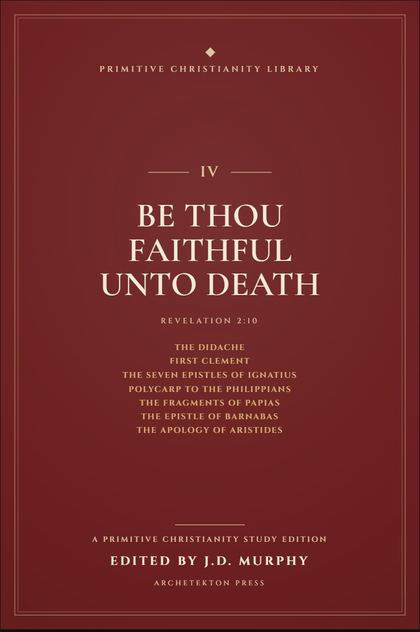
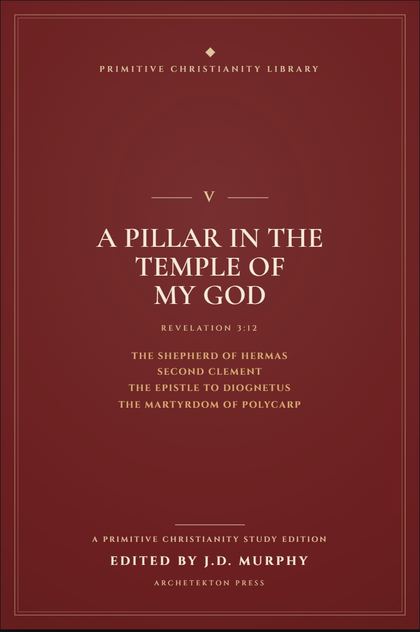
The men the apostles taught: Clement, Ignatius, Polycarp, Barnabas, the Didache and Hermas.
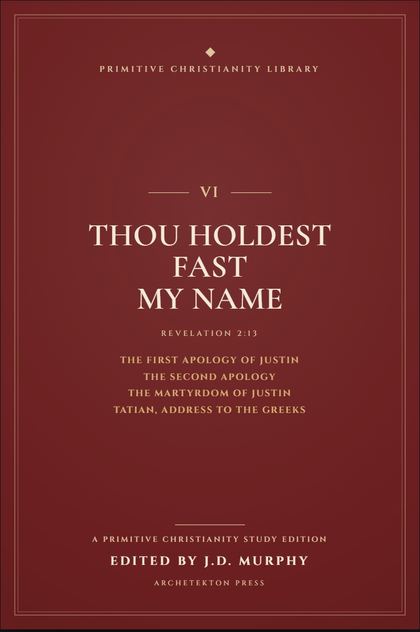
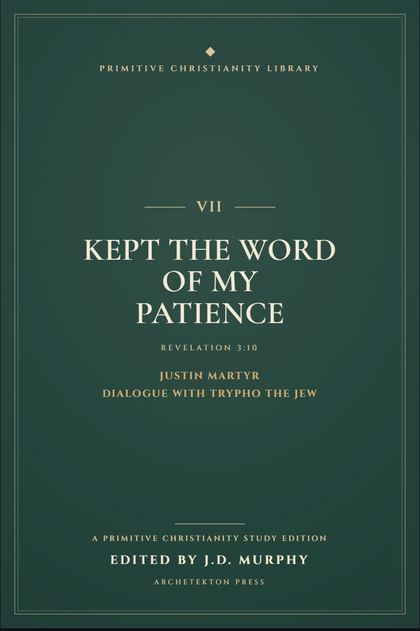
The generations right after them, before Nicaea: Justin, Irenaeus, Tertullian, Hippolytus, Cyprian and more.
On the page, the two generations of Fathers share one mark: DA, the Disciples of the Apostles.
“They received the word with all readiness of mind, and searched the scriptures daily, whether those things were so.”Acts 17:11
Read the New Testament straight through and you will meet ideas you were taught that are not there, and miss doctrines the apostles kept coming back to. Somewhere between the apostles and today, things were added. Very few people go back to the men who wrote it down to check.
This book goes back. It sets out the nine doctrines the New Testament emphasizes most, each one treated whole and in one place, in the words of the nine men who wrote it. Then it follows each doctrine into the Apostolic and Ante-Nicene Fathers, the generations who learned it from the apostles, quoted and checked word for word.
It is not written for scholars. The men who wrote the New Testament were fishermen, a tax collector, a physician and a tentmaker, writing plainly to ordinary believers. This book is written to that same reader.
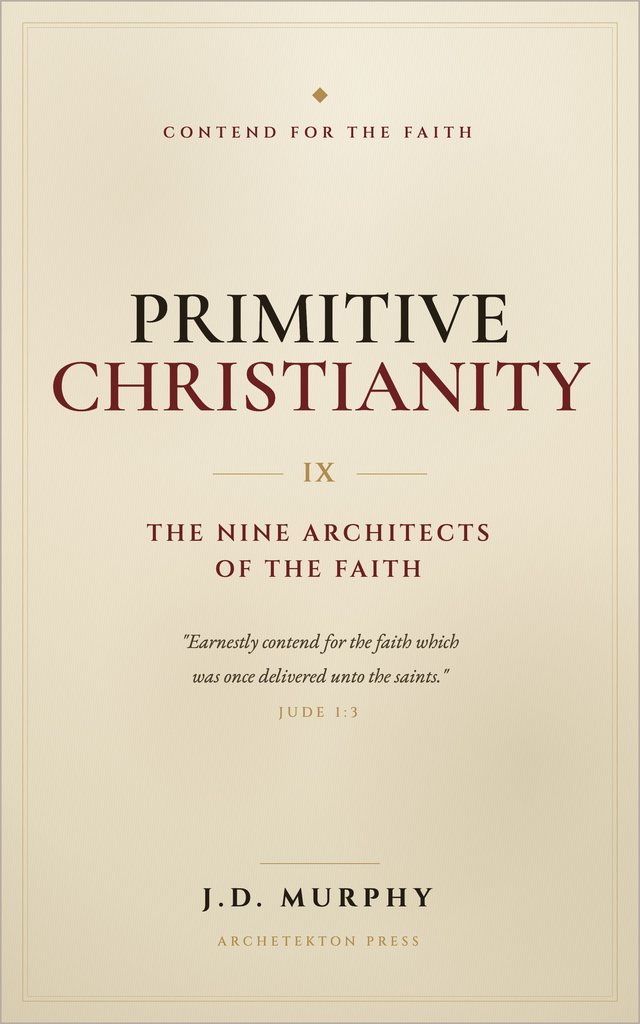
“Earnestly contend for the faith which was once delivered unto the saints.”Jude 1:3
One commission, nine builders. Each with his role, each the architect of one virtue of the faith.


All nine central doctrines of the New Testament, each treated whole and in one place, instead of one doctrine per book.
The New Testament in its own words, and the early fathers quoted and checked word for word.
A full Scripture index, a three-part glossary, lettered appendices, and a ledger naming every witness.
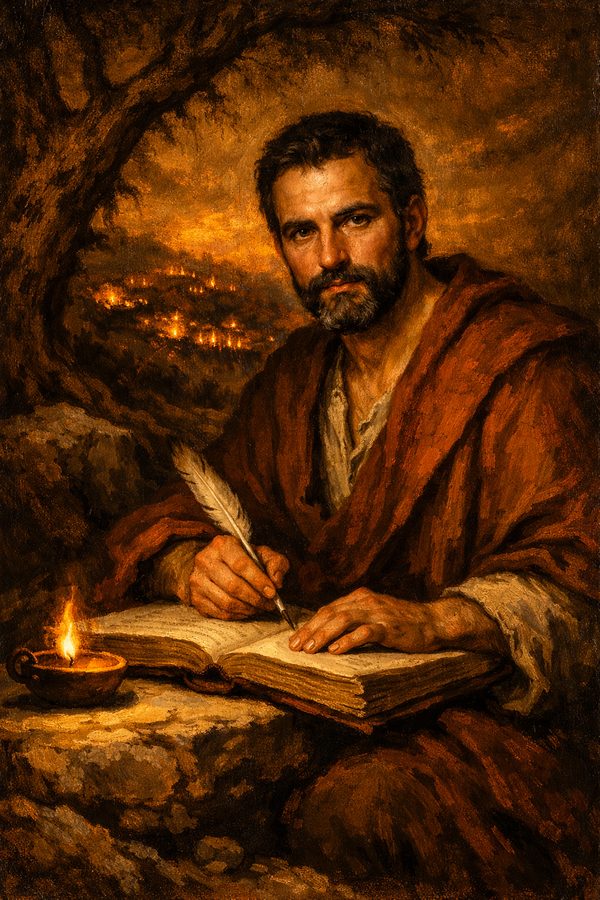
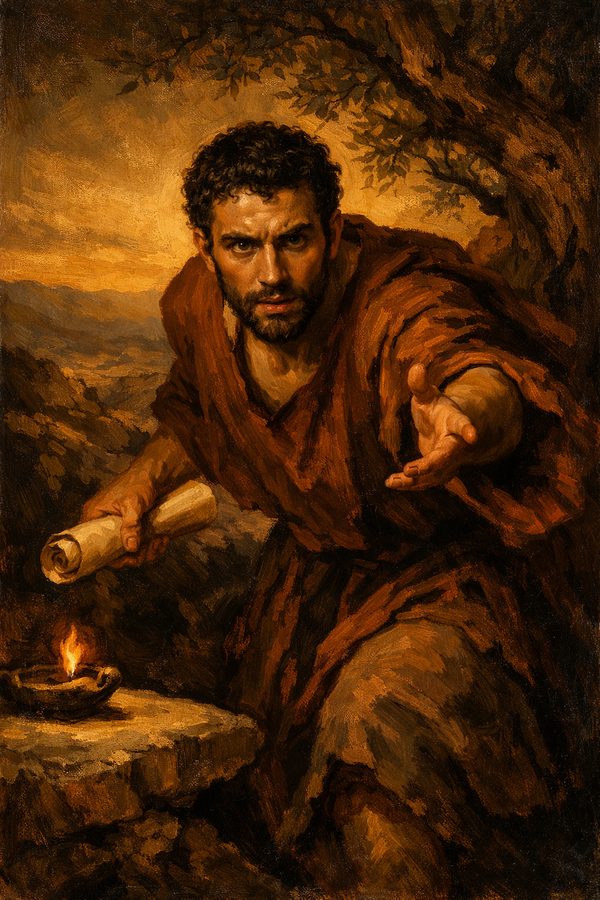
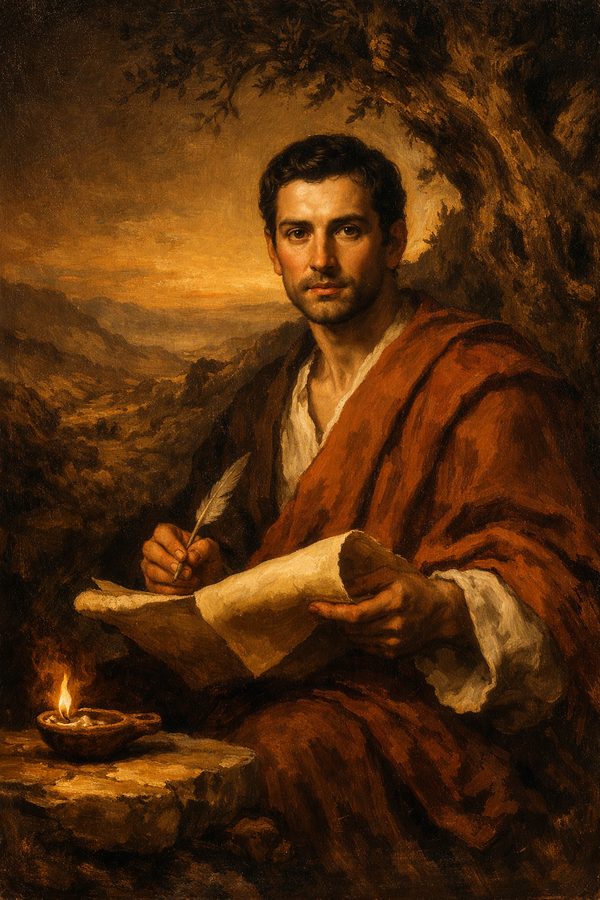
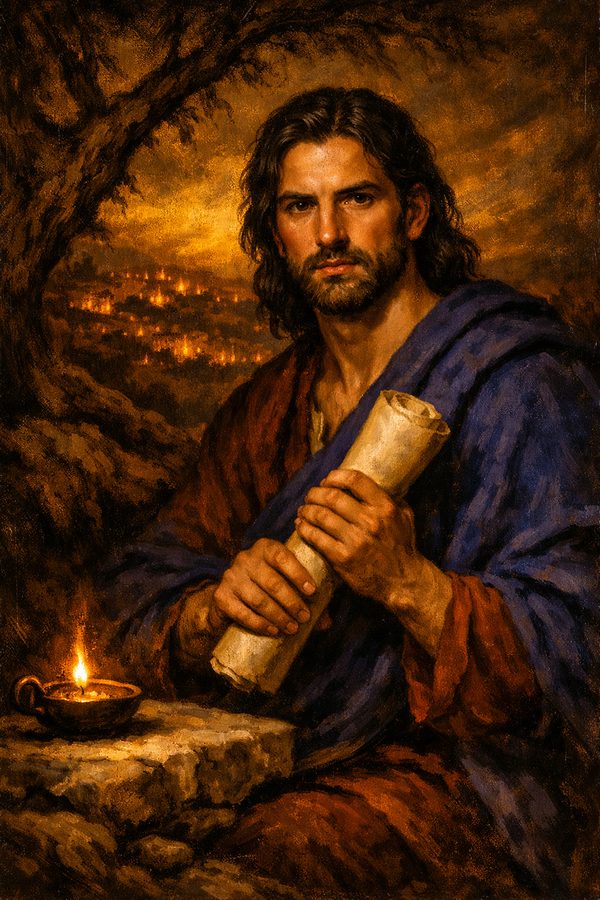
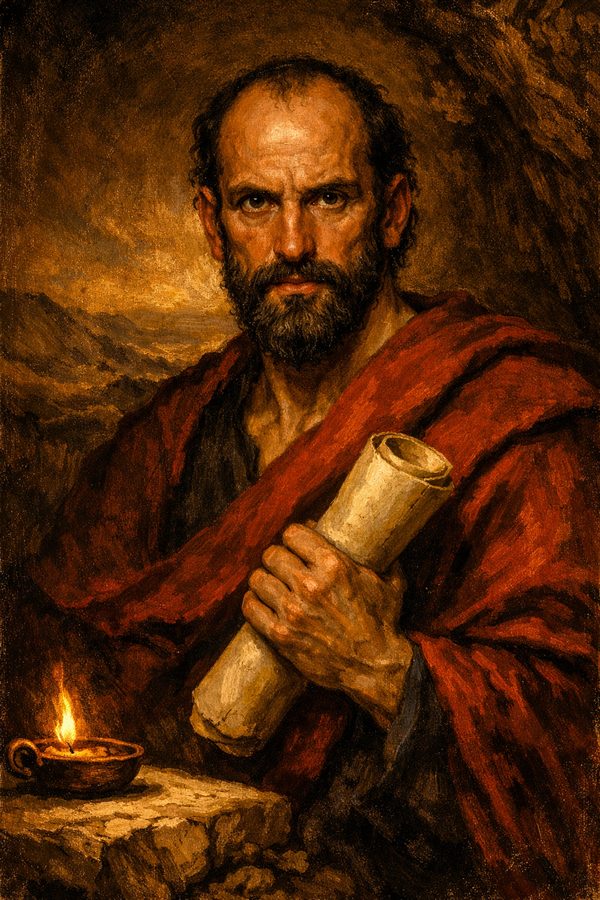
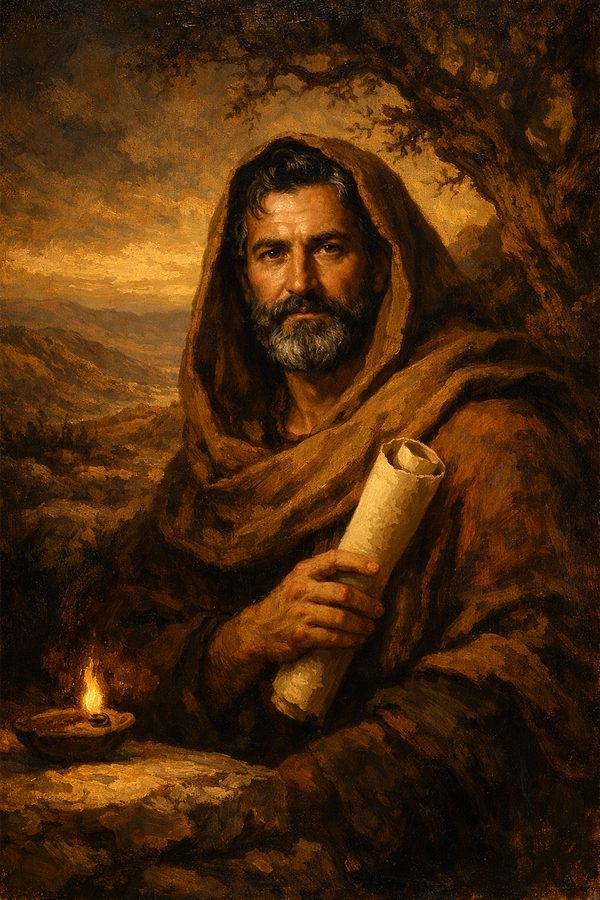
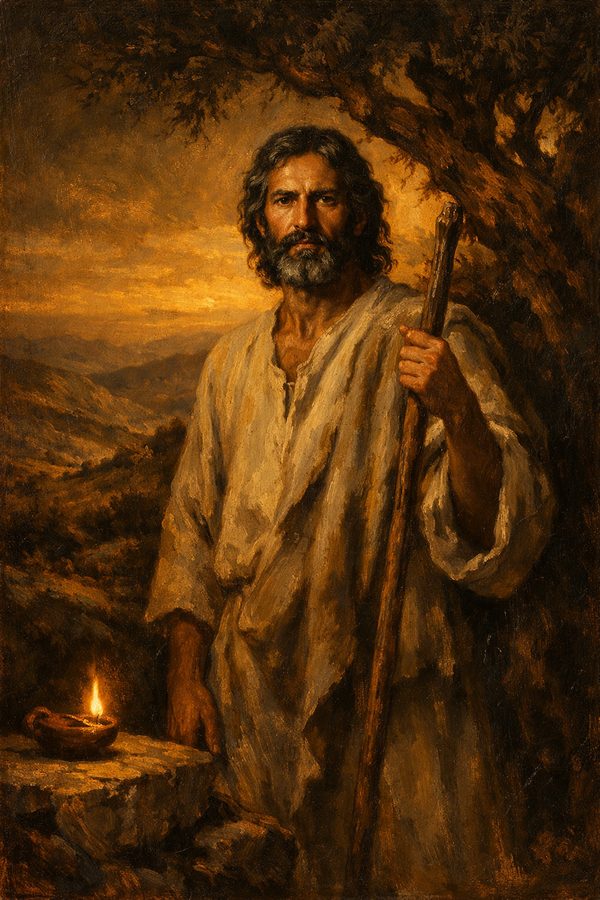
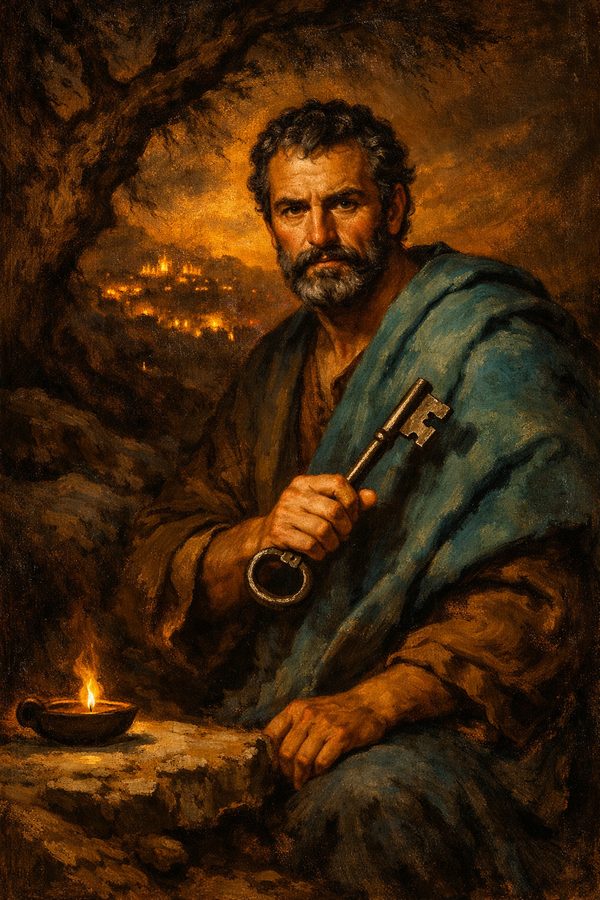
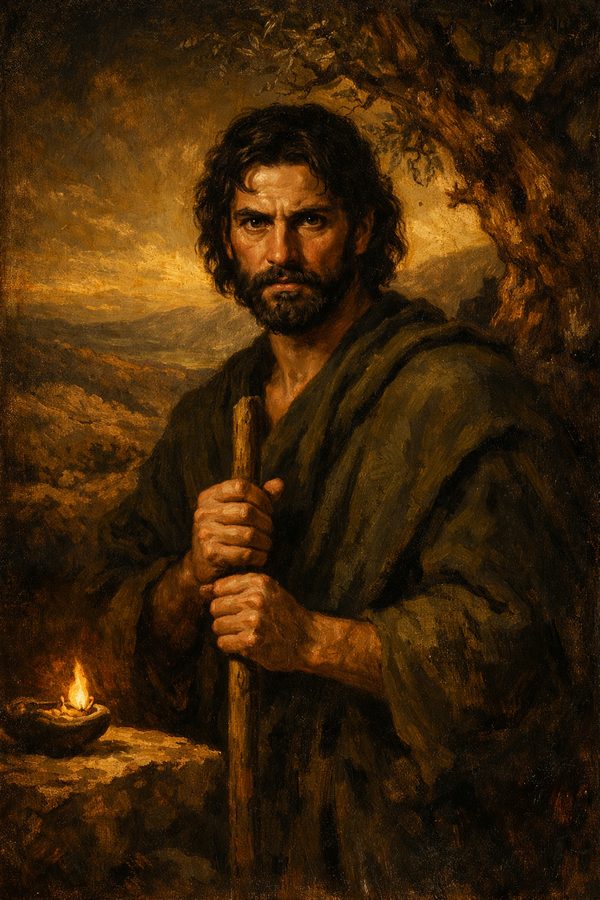
Each author with a portrait and a calling, from Matthew the Chronicler to Jude the Watchman.
Where Scripture says two hard things at once, the book holds both in faith rather than forcing a system onto them.
Volume I. The Nine Pillars it lays out are the marks carried in the margin of every study edition that follows.
The load-bearing doctrines of the New Testament. This is the heart of the book.
“These men are my heroes. This book is my life's work.”J.D. Murphy
Volume I of the Primitive Christianity Library. Paperback and Kindle · Free on Kindle Unlimited.
The opening pillar sent straight to you, plus a note when each new volume of the Library ships. No spam, no denomination, unsubscribe anytime.